Volunteer-led activities for wetland restoration |
349574
wp-singular,portfolio_page-template-default,single,single-portfolio_page,postid-349574,wp-theme-moose,wp-child-theme-moose-child,cookies-not-set,eltd-cpt-2.4,ajax_fade,page_not_loaded,,moose child-child-ver-1.1,moose-ver-3.6, vertical_menu_with_scroll,smooth_scroll,blog_installed,wpb-js-composer js-comp-ver-7.1,vc_responsive

Volunteer-led activities for wetland restoration

Project Description

This use case presents a community-led wetland restoration initiative developed in a coastal environment with high biodiversity potential. The initiative demonstrates how volunteer-driven, bottom-up action, supported by local authorities, environmental organisations and research partners, can deliver long-term and resilient nature restoration outcomes. 

Through practical habitat restoration measures, including the creation of shallow wetlands, management of invasive species, and low-impact infrastructure development, the project enhances biodiversity while maintaining public access and educational value. Community members are actively involved in planning, implementation and monitoring, fostering a strong sense of ownership and long-term stewardship. 

The use case highlights the importance of inclusive governance, sustained engagement, and adaptive management in addressing ecological degradation and climate pressures in coastal wetlands. Aligned with European biodiversity and climate objectives, the initiative provides a scalable model for community-led restoration applicable across diverse coastal and wetland contexts. 
WHO WE ARE
  • Regional or local (public) authority
  • NGOs, foundations, community-based organisations
  • Cultural and Educational organisations
  • Research organisations and academia
COUNTRY & REGION

Coastal Region/Atlantic

DURATION

From Year_2000_to Year_ongoing

KEY WORDS
  • Community stewardship
  • Wetland restoration
  • Citizen engagement
CHALLENGE & OBJECTIVE

Coastal wetlands face increasing pressures from biodiversity loss, climate change, land-use change and declining community connection to nature. In many regions, historic land management practices and limited long-term stewardship have resulted in habitat degradation, invasive species expansion and reduced ecological resilience.

At the same time, top-down conservation approaches often struggle to sustain long-term engagement and local ownership. Communities may be excluded from decision-making, leading to missed opportunities for local knowledge, commitment and innovation.

The primary objective of this use case is to demonstrate how a volunteer-led, bottom-up approach can successfully restore and manage a coastal wetland ecosystem over the long term. By positioning local communities as active partners in design, implementation and monitoring, the initiative seeks to deliver measurable biodiversity gains alongside social and educational benefits.

The use case aims to bridge the gap between policy ambition and practical delivery by aligning community action with local authority support, scientific expertise and broader environmental strategies. It illustrates how inclusive governance and adaptive management can overcome ecological and social challenges in nature restoration.

SOLUTIONS & ACTIONS

Actions include the restoration of degraded wetland habitats through the creation of shallow wetland scrapes to enhance feeding and roosting habitats, management of invasive plant species. Nature-based infrastructure such as boardwalks, observation points and interpretive signage is developed to support public access while protecting sensitive habitats.

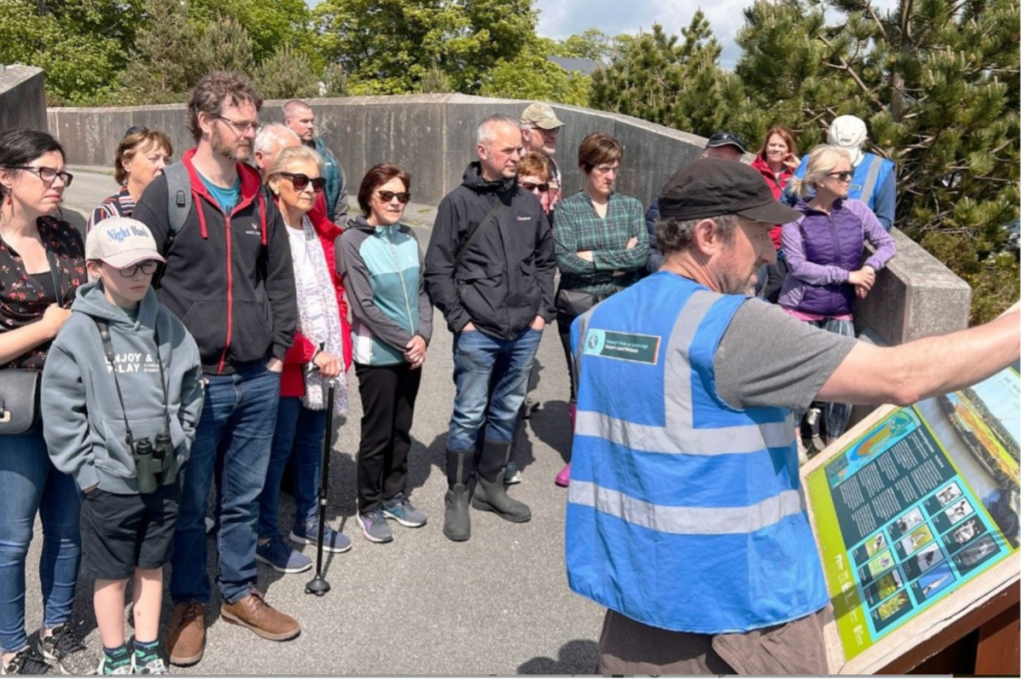
Educational activities include volunteer training, school visits and community events that promote environmental awareness and skills development. A collaborative governance structure supports coordination between community members, authorities and technical experts. Monitoring programmes track biodiversity, habitat condition and social engagement to inform adaptive management.

END USERS

Local communities and volunteers;
Local and regional authorities;
Environmental organisations;
Researchers and practitioners;
Educational institutions;
Visitors and nature-based tourism operators.

COMMUNITY ENGAGEMENT NEEDS, MEASURES & BENEFITS

The use case addresses the need for meaningful local involvement in environmental decision-making, opportunities for learning and skills development, and access to high-quality natural spaces that support wellbeing and social cohesion.

Engagement measures include open meetings, volunteer workdays, partnerships with local groups, regular communication, recognition of contributions, and inclusive forums for feedback and co-design.

Communities benefit from increased environmental knowledge, stronger social networks, enhanced wellbeing, new skills, and a shared sense of ownership over restored natural spaces.

OUTPUTS

Restored wetland habitats;
Improved biodiversity and social monitoring;
Community-led governance model;
Educational and visitor infrastructure.

OUTCOMES

Environmental impacts: Improved habitat quality and increased biodiversity in coastal wetlands.

Economic impacts: Support for local nature-based tourism and low-cost restoration delivery.

Social impacts: Enhanced community cohesion, environmental awareness and long-term stewardship.

Project Details
Category

Community-Led Pilot Action Use Case Scenarios

Previous
Next