This use case presents an ecotourism-based approach to fostering environmental stewardship, community engagement, and sustainable economic development in coastal and marine areas. By integrating conservation practices, citizen science, and responsible tourism guidelines, the initiative promotes low-impact experiences while enhancing ocean literacy. A “Living Lab” approach brings together local communities, researchers, tourism operators, and conservation groups to co-develop ecotourism concepts adapted to local contexts. The solution supports biodiversity protection, ecosystem restoration, and sustainable livelihoods, particularly in nature-rich and protected areas. Tested in Arctic environments, the model is scalable and adaptable to other coastal regions, contributing to long-term sustainability and community resilience.


Ecotourism as a positive change for nature and people
Project Description
WHO WE ARE
- NGOs, foundations (public and private), professional association, community-based organisations including civil society and citizen associations;
- SMEs and Large Entreprises;
- Research organisations and academia;
COUNTRY & REGION
Norway/Arctic
DURATION
From Year 2023 to Year 2026
Number of Months: 42
KEY WORDS
- Ecotourism
- Community engagement
- Ocean Literacy
CHALLENGE & OBJECTIVE
Coastal and marine regions face increasing pressure from unsustainable tourism models that generate limited local value while degrading ecosystems. At the same time, many coastal communities struggle to access diversified and resilient income streams within the Blue Economy.
This use case addresses these challenges by developing an innovative ecotourism model embedded within the Blue Economy framework. The objective is to create sustainable, nature-based tourism value chains that support ecosystem restoration, promote circular economic practices, and generate inclusive economic opportunities for local communities. By linking tourism with conservation, education, and small-scale blue businesses, the model strengthens both environmental resilience and local economies.
SOLUTIONS & ACTIONS
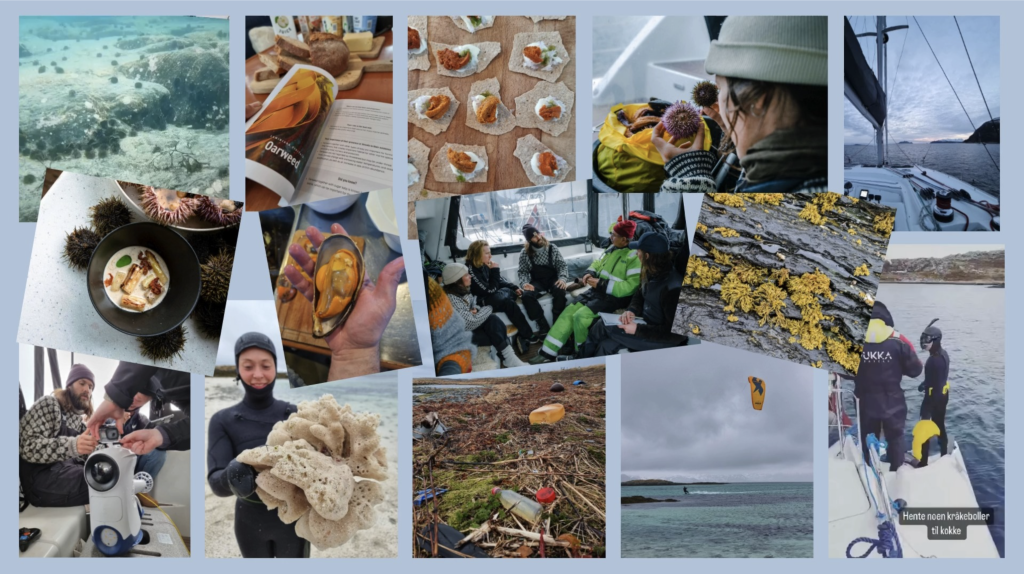
The use case implements a Blue Economy-oriented ecotourism model that connects environmental conservation with sustainable economic activities. Key actions include the development of nature-based tourism products linked to marine ecosystems, such as guided biodiversity experiences, restoration activities (e.g., kelp forests), and ocean literacy programs. Citizen science initiatives are integrated to generate environmental data and engage visitors in ecosystem monitoring.
A Living Lab approach enables co-creation between stakeholders, fostering innovation and aligning tourism services with local needs and environmental limits. Sustainable business models are developed for small-scale operators, promoting circular practices, local supply chains, and low-impact operations.
The use case also supports the creation of blue value chains by linking tourism with other sectors such as local fisheries, sustainable food systems, and conservation services, enhancing economic diversification and resilience.
END USERS
Coastal communities
Blue economy SMEs
Tourism operators
Marine protected area managers
Researchers
Visitors
Environmental NGOs
COMMUNITY ENGAGEMENT NEEDS, MEASURES AND BENEFITS
The project responds to the need for stronger participation of coastal communities in the Blue Economy, ensuring that economic benefits remain local while safeguarding marine resources. It addresses the gap between economic development and environmental sustainability.
Co-creation workshops, digital platforms, training, citizen science programs, and partnerships with local actors ensure active and continuous engagement.
Diversified income opportunities, increased local ownership of marine resources, improved skills and employment, strengthened community resilience, and enhanced stewardship of coastal ecosystems.
OUTPUTS
The project delivers a set of integrated outputs combining nature-based, social, and economic innovation. These include ecotourism concept packages tailored to coastal and marine environments, visitor guidelines for low-impact tourism, and citizen science frameworks for biodiversity monitoring and ecosystem restoration.
Additional outputs include educational and ocean literacy materials, co-created through a Living Lab approach, and sustainable business models designed for small-scale operators within the Blue Economy. The project also establishes collaborative governance mechanisms that connect local communities, researchers, tourism actors, and conservation organisations, enabling long-term coordination and adaptive management
OUTCOMES
Environmental impacts: Improved protection and restoration of coastal and marine ecosystems through low-impact tourism practices and active conservation efforts. Increased data availability from citizen science contributes to better ecosystem monitoring and management. Reduced environmental pressure from tourism and enhanced awareness of biodiversity conservation.
Economic impacts: Creation of diversified and sustainable opportunities for local communities through ecotourism and related Blue Economy activities. Strengthening of local value chains by linking tourism with conservation services, local products, and small-scale businesses.
Social impacts: Enhanced community engagement, ownership, and participation in local development and environmental stewardship. Improved skills, knowledge, and capacity-building opportunities, particularly in sustainable tourism and conservation. Strengthened social cohesion and increased awareness of environmental and cultural values.
Project Details
Category
Community-Led Pilot Action Use Case Scenarios