Resilience to Coastal Erosion with nature and people |
349773
wp-singular,portfolio_page-template-default,single,single-portfolio_page,postid-349773,wp-theme-moose,wp-child-theme-moose-child,cookies-not-set,eltd-cpt-2.4,ajax_fade,page_not_loaded,,moose child-child-ver-1.1,moose-ver-3.6, vertical_menu_with_scroll,smooth_scroll,blog_installed,wpb-js-composer js-comp-ver-7.1,vc_responsive

Resilience to Coastal Erosion with nature and people

Project Description

This use case addresses coastal erosion through an integrated approach combining scientific monitoring, community engagement, and awareness-building. By establishing baseline data on coastal dynamics and deploying automated monitoring systems such as video-based shoreline detection, the initiative enables real-time understanding of coastal changes. 

The solution combines technological tools with citizen science and nature literacy campaigns, empowering communities and decision-makers to better understand erosion as a natural process and respond more effectively to risks. It promotes data-driven decision-making and supports the transition from hard engineering solutions toward adaptive and ecosystem-based approaches. 

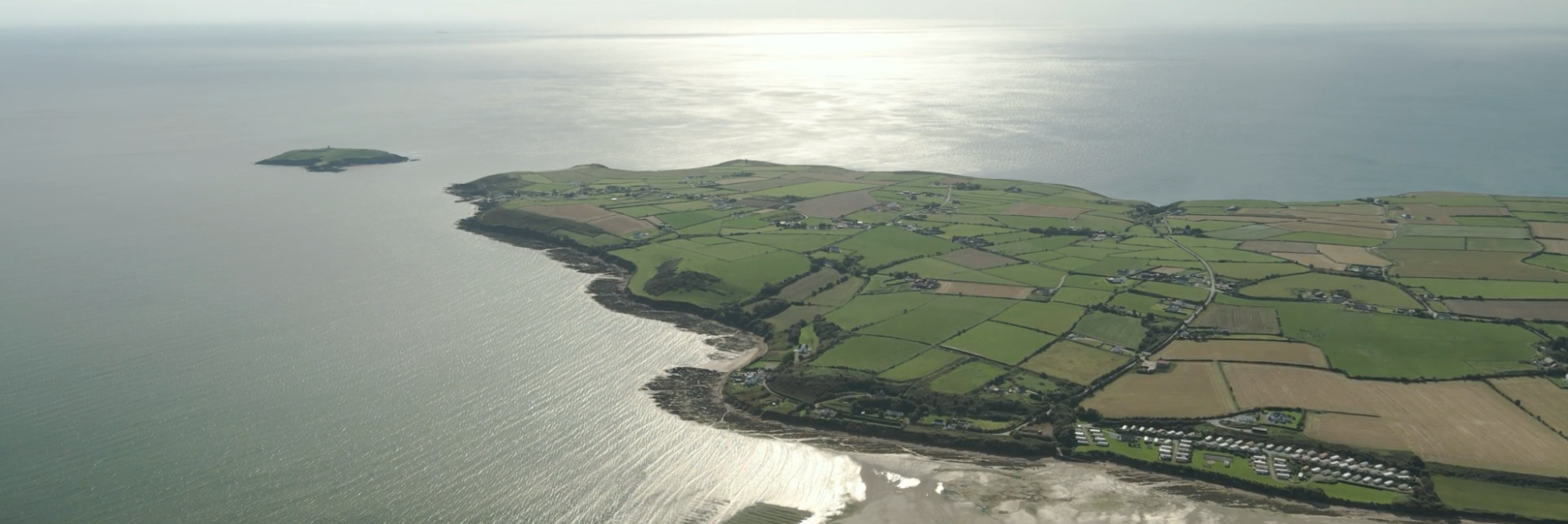
Tested in coastal regions in Portugal and Ireland, the use case enhances resilience by improving early warning capabilities, strengthening community awareness, and enabling more sustainable coastal management practices. 
WHO WE ARE
  • Regional or local (public) authority
  • SMEs
  • Research organisations & academia
COUNTRY & REGION

Portugal and Ireland/Atlantic 

DURATION

From Year 2023 to Year 2026
Number of Months: 42

KEY WORDS
  • Coastal Erosion
  • Monitoring
  • Community Awareness 
CHALLENGE & OBJECTIVE

Coastal erosion is a natural process, but its impacts are increasingly intensified by human activities and climate change. Many coastal areas face growing risks to infrastructure, ecosystems, and livelihoods, while traditional responses, such as hard engineering solutions, are often costly, inflexible, and may exacerbate erosion elsewhere.
At the same time, there is a lack of accessible, continuous data on coastal dynamics and limited public understanding of erosion processes. This creates challenges for decision-makers and reduces the effectiveness and acceptance of management strategies.
This project addresses these challenges by combining scientific monitoring, community engagement, and awareness-building. The main objective is to improve understanding of coastal erosion dynamics, establish reliable data baselines, and support more adaptive and evidence-based decision-making. By empowering both communities and authorities with knowledge and tools, the use case promotes more sustainable and socially accepted coastal management approaches.

SOLUTIONS & ACTIONS

The project implements an integrated system combining coastal monitoring, awareness campaigns, and stakeholder engagement. Key actions include the development of beach profiling campaigns using GPS surveys to establish baseline coastal conditions.

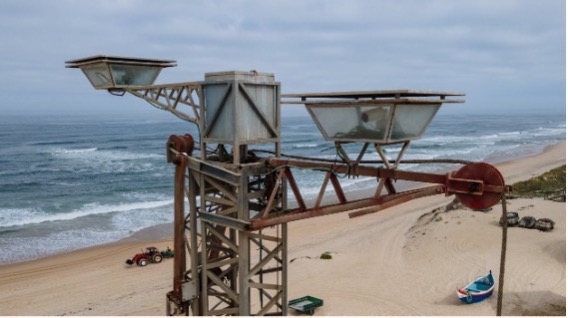
Automated monitoring systems, such as video cameras, are deployed to capture high-frequency coastal data. These systems are combined with advanced analysis techniques, including deep learning, to enable shoreline detection and support real-time coastal warning systems.

Citizen science initiatives are integrated to involve local communities in data collection and increase awareness of coastal processes. Public participatory tools are used to gather local knowledge and perceptions.

Awareness campaigns and educational materials are developed alongside scientific activities to improve understanding of coastal erosion and promote more adaptive approaches to management. Engagement with local authorities and decision-makers ensures that collected data supports planning, risk assessment, and response strategies.

END USERS

Local communities
Coastal managers
Policy makers
Researchers
Port authorities

COMMUNITY ENGAGEMENT NEEDS, MEASURES AND BENEFITS

The use case addresses the need for improved public understanding of coastal erosion and stronger collaboration between communities and decision-makers. It responds to the gap between scientific knowledge and public perception.

Citizen science programs, participatory data collection tools, awareness campaigns, workshops, and collaboration with local stakeholders ensure engagement.

Improved awareness and understanding of coastal processes, increased capacity to respond to risks, stronger trust between communities and authorities, and more informed participation in decision-making.

OUTPUTS

The use case delivers a combination of technological, scientific, and social outputs to improve coastal erosion management. These include coastal monitoring systems based on video imaging and data processing tools, enabling high-frequency shoreline observation and analysis.

Baseline datasets are generated through beach profiling campaigns, providing essential information on coastal dynamics. Citizen science tools and participatory platforms are also developed to support data collection and community involvement.

In addition, awareness materials and nature literacy campaigns are created to improve public understanding of coastal processes. The use case also contributes to new governance approaches by strengthening collaboration between scientists, communities, and decision-makers, and supporting evidence-based coastal management practices.

OUTCOMES

Environmental impacts: Improved understanding of coastal dynamics supports more informed and adaptive management of erosion processes. The use case may contribute to the protection of coastal ecosystems by encouraging nature-based management approaches. Enhanced monitoring allows earlier identification of extreme events and potential risks.

Economic impacts: Better-informed decision-making may help optimise resource allocation and reduce costs associated with ineffective or poorly targeted coastal interventions. The availability of reliable data can support more efficient planning and prioritisation of investments in coastal protection and adaptation measures.

Social impacts: Increased awareness and understanding of coastal erosion among local communities, leading to more informed and constructive engagement with decision-making processes. Strengthened collaboration between citizens, scientists, and authorities may improve trust and support more socially accepted management strategies.

Project Details
Category

Community-Led Pilot Action Use Case Scenarios

Previous
Next