Seagrass Meadows – Ireland |
349618
wp-singular,portfolio_page-template-default,single,single-portfolio_page,postid-349618,wp-theme-moose,wp-child-theme-moose-child,cookies-not-set,eltd-cpt-2.4,ajax_fade,page_not_loaded,,moose child-child-ver-1.1,moose-ver-3.6, vertical_menu_with_scroll,smooth_scroll,blog_installed,wpb-js-composer js-comp-ver-7.1,vc_responsive

Seagrass Meadows – Ireland

Project Description

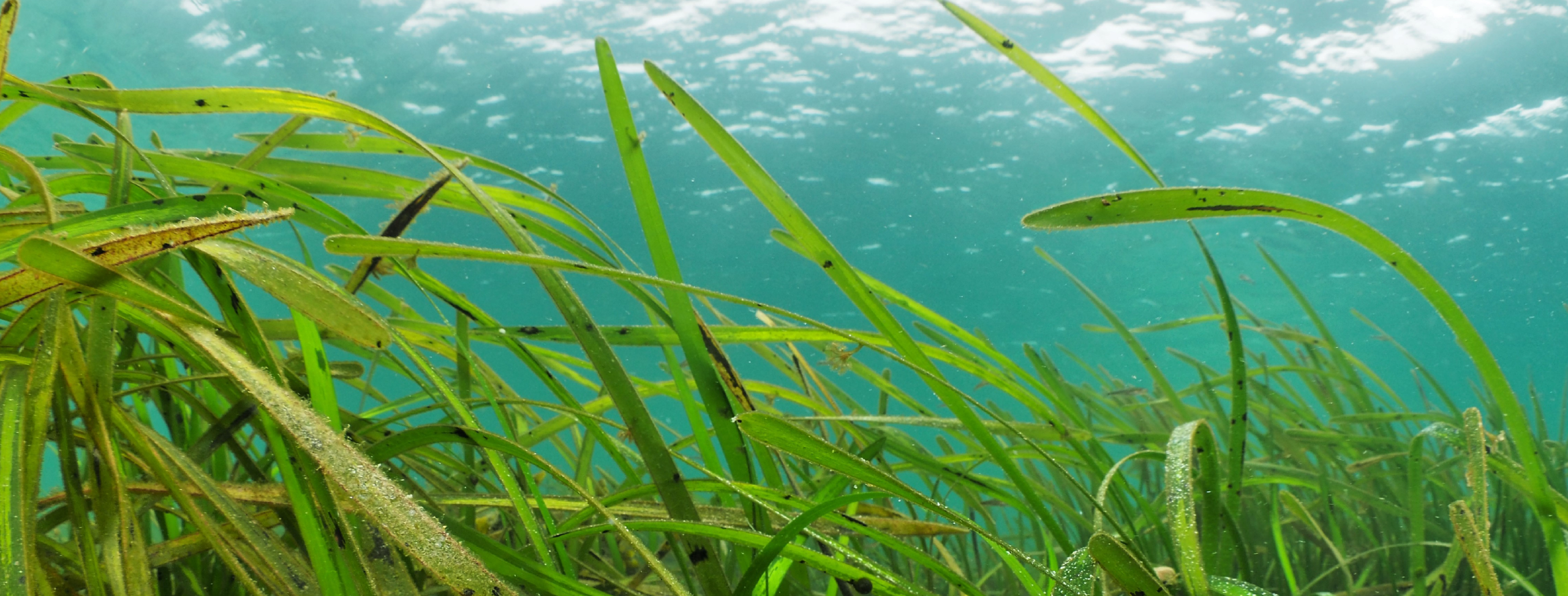
This use case focuses on seagrass meadows in Ireland, one of the most valuable coastal ecosystems. Seagrass meadows function as ecosystem engineers, providing habitat for numerous species and contributing to global climate regulation through carbon sequestration. They also buffer biogeochemical cycles, reduce the impact of coastal erosion, and help maintain ecological functioning in coastal waters.

However, seagrass meadows have experienced accelerating loss during the 20th century due to eutrophication from agricultural intensification, habitat destruction and waste effluent from urbanisation. In Ireland, nutrient over-enrichment poses a significant challenge for seagrass restoration. Previous projects funded by the Irish Environmental Protection Agency have identified seagrass restoration as a critical tool to recover ecosystem functioning in estuaries and reduce the occurrence of opportunistic macroalgal blooms. This use case highlights the relevance of seagrass restoration as a nature-based solution and illustrates restoration needs and context within Irish coastal environments.

WHO WE ARE
  • Regional or local (public) authority
  • NGOs, foundations, community-based organisations
  • Cultural and Educational organisations
  • Research organisations and academia
COUNTRY & REGION

Ireland/ Atlantic coastal regions (Tralee bay, Killala Bay, Rusheen Bay and Conneara) and Dublin Bay.

DURATION

From Year 2023 to Year 2025
Number of Months: 34

KEY WORDS
  • Seagrass meadows
  • Ecosystem services
  • Restoration
CHALLENGE & OBJECTIVE

Seagrass meadows have undergone accelerating loss due to eutrophication, habitat destruction, and urban effluent. In Ireland, nutrient over-enrichment associated with agricultural intensification poses a major challenge for restoration efforts.


Project Objectives

  1. To develop and verify restoration methods for seagrasses in Ireland, focusing on planting methods aimed at large scale restoration.
  2. Determine the suitability of selected locations in Ireland as potential restoration sites for marine angiosperms.
  3. Monitor the transplanted population and obtain data on parameters regarding the health status of the population.
SOLUTIONS & ACTIONS

Relevant stakeholders in Galway Bay, Tralee Bay, Killala Bay and Dublin Bay were contacted primarily by email, and meetings were held with nearly all. Outreach was carried out together with Galway Atlantaquaria and with the city councils of Galway, Mayo and Dublin. Workshops were organised with university partners and local associations to raise awareness about seagrass meadows and CLIMAREST activities. For governance stakeholders, the meetings focused on obtaining permission for restoration activities, while other groups were engaged for possible involvement in planting, monitoring, and dissemination.

Restoration activities include transplantation sites already active in Tralee Bay and Galway Bay (Connemara and Rusheen Bay), with additional transplantation sites planned in Killala Bay and Dublin Bay. Collaborations with local volunteers, aquariums, restoration teams and community groups across the four bays were established and engagement has also expanded to partners such as Blue Ocean Watch and Ulysses in relation to documentation and restoration techniques.

END USERS

Local communities and volunteers;
Local and regional authorities;

COMMUNITY ENGAGEMENT NEEDS, MEASURES & BENEFITS

Local and regional communities needed information about seagrass meadows, their importance, and the CLIMAREST activities planned in Galway Bay, Tralee Bay, Killala Bay and Dublin Bay. They also needed ways to engage directly or indirectly with the project, either through restoration, monitoring or dissemination. These needs were addressed by contacting stakeholders across all bays, holding meetings and workshops, and providing outreach through Galway Atlantaquaria and the city councils of Galway, Dublin and Mayo. Engagement with groups such as Friends of Barna Woods, local divers and volunteer networks created additional channels for information and involvement. Through these activities, local communities were informed about planned restoration actions and were given opportunities to participate, contributing to awareness raising and building local support.

Concrete measures taken included contacting stakeholders primarily by email and holding meetings with nearly all relevant groups across Galway Bay, Tralee Bay, Killala Bay and Dublin Bay. Engagement was supported through outreach activities conducted together with Galway Atlantaquaria and with the city councils of Galway, Dublin and Mayo. Workshops were organised with university partners and various Galway associations to raise awareness about seagrass restoration.

The community benefits include increased awareness of the importance of seagrass meadows and of the CLIMAREST activities taking place in the region. Engagement with Galway City Council resulted in seagrass being included in the Galway Biodiversity Action Plan 2025–2030. Partnerships with aquariums, councils, volunteers, and local groups enable broader dissemination of information and create opportunities for direct or indirect involvement in restoration, monitoring and outreach activities.

OUTPUTS

Restoration protocols for seagrass
Digital tools and monitoring systems
Nature-based solutions for coastal resilience

OUTCOMES
  • Environmental impacts: Improved awareness of seagrass ecosystem condition and support for future restoration activities.
  • Economic impacts: The Irish demonstration shows that although seagrass restoration is costly at pilot scale, the long‑term ecosystem service value is substantial, with significant economic benefits linked to nutrient cycling, tourism, and nursery habitat functions. Cost‑benefit analysis indicates that these benefits accumulate slowly but steadily, and that restoration can become economically positive over long time horizons under high ecological recovery.
  • Social impacts: Increased community involvement, enhanced collaboration with local councils, volunteers and environmental groups and greater visibility of seagrass in local biodiversity planning and public outreach activities.
Project Details
Category

Community-Led Pilot Action Use Case Scenarios

Previous
Next